Documenting Veterinary Telemedicine Visits
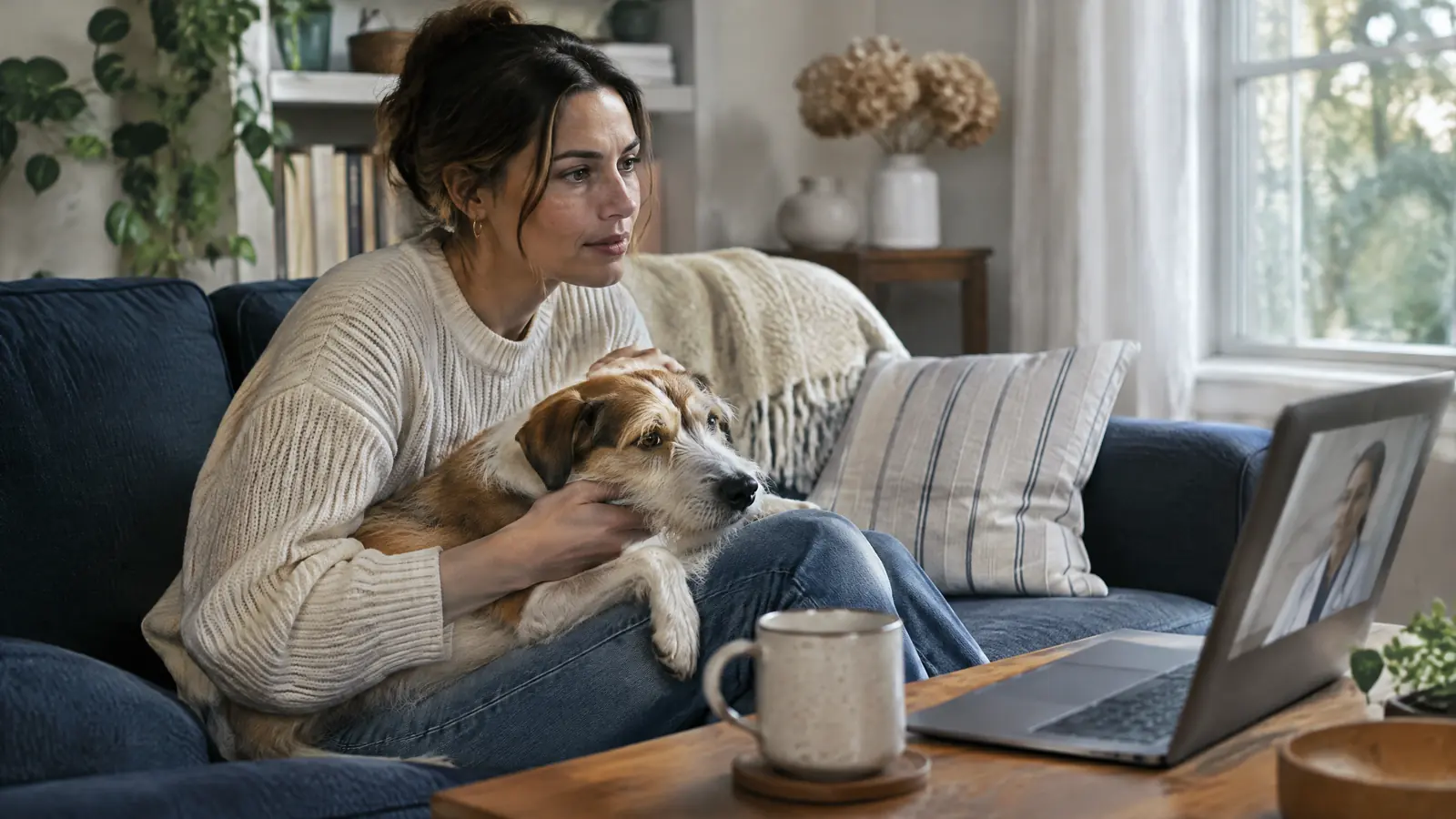
Telemedicine and phone consults are now a routine part of veterinary practice — triage calls, follow-ups, and remote advice. But a remote visit is still a clinical encounter, and it needs a proper record. Here’s what to document for a veterinary telehealth visit, and how to stop it from becoming another note you write from memory afterward.
A remote visit is still a real record
The mistake is treating a phone or video consult as informal. Legally and clinically, it’s an encounter that requires the same standard of documentation as an in-person appointment. If advice was given, a record should show what was asked, what you assessed, what you recommended, and what the owner agreed to. “If it wasn’t written down, it didn’t happen” applies just as much to a call as to a consult room.
What to capture in a telehealth note
A complete telemedicine record should include:
- Presenting complaint and history — why the owner called and the relevant background.
- Assessment — your interpretation based on what you could observe remotely, and its limits.
- Recommendations — advice given, whether the patient should be seen in person, and any medications discussed (with the usual caveats about prescribing remotely).
- Client communication and consent — what the owner understood and agreed to.
- Follow-up — the plan and when to escalate.
This maps cleanly onto the SOAP structure you already use for in-person visits.
Know the rules where you practice
Whether you can establish a valid veterinary-client-patient relationship remotely — and what you’re permitted to do on a telemedicine visit — is set by your regional licensing authority and varies widely. In the US the picture is actively moving: several states have passed or amended veterinary telehealth rules in just the last two years, with a growing minority now allowing the VCPR to be established remotely while most still require an in-person exam first. Your state board’s website is the authoritative source, and it’s worth rechecking annually. What doesn’t vary is the AVMA’s consistent position that telehealth care must meet the same standard of care as in-person care — records included.
Two documentation habits cover you in any jurisdiction: state the VCPR basis in the note (date of the last in-person exam), and always record the specific findings that should trigger an in-person or emergency visit, with confirmation the owner understood them. That escalation sentence is the one memory-based notes always drop — and the one that matters most if an outcome goes badly.
The callbacks nobody documents
Scheduled telehealth visits at least get an appointment slot. The bigger records gap is the clinical phone traffic around them: the 6 p.m. callback about the post-op patient, the “can I give him half a tablet?” call, the triage decision that something can wait until Monday. These carry real clinical decisions, there’s no natural pause after them for writing, and in most practices they live nowhere but the veterinarian’s memory — until the advice given on one of them is questioned, at which point the absence of a record is the whole story.
The fix is making the call itself the documentation input: record it (with consent — see the FAQ), let the scribe draft the note, review, and attach it to the patient. A documentation chore becomes a ten-second review, which is the difference between a policy that says “document all clinical calls” and a practice where it actually happens.
Let the call write its own note
The friction with remote consults is the same as in-person: the note gets written later, from memory. A voice-first AI scribe removes that. Because Coggo works over a phone or telehealth call exactly as it does in the exam room, the conversation is transcribed and turned into a structured SOAP note automatically — so your remote visits are documented as thoroughly as your in-person ones, without extra typing.
If telehealth calls are piling up in your “to document later” list, they don’t have to. Try Coggo free and document your next remote consult as it happens.
This article is general guidance, not legal advice. Follow your regional licensing authority’s telemedicine and record-keeping rules.